How to Choose the Right Shoe: Four Factors to Improve Shoe Fit and Comfort
Finding the right pair of shoes isn’t just about style—this guide outlines the four most important aspects affecting footwear fit and comfort


Finding the right pair of shoes isn’t just about style—this guide outlines the four most important aspects affecting footwear fit and comfort
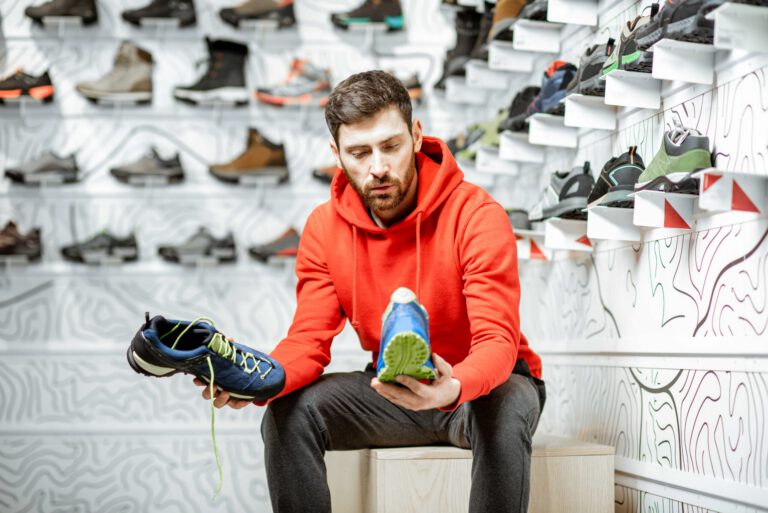
At IPA Physio, we know that the right footwear plays a crucial role in movement, performance, and injury prevention. Many people overlook how shoes impact their body mechanics, often leading to discomfort or even pain. Our expert physical therapists take a whole-body approach to ensure your footwear supports your unique movement patterns. Whether you’re an…
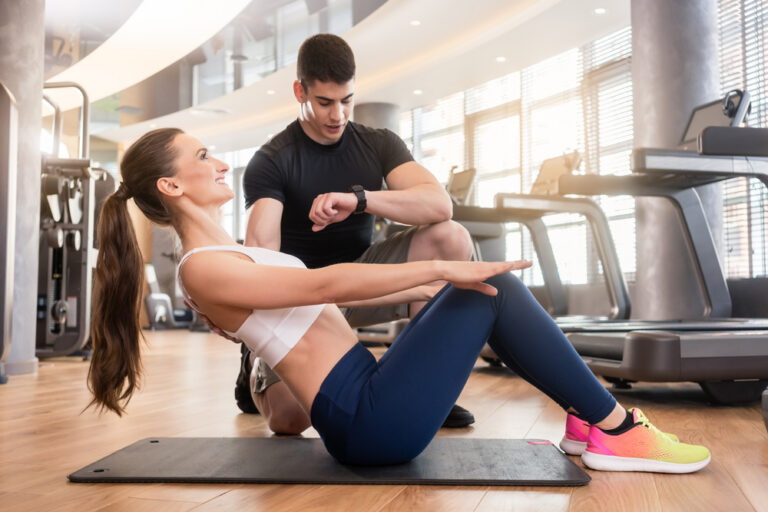
Most of the time when people strength train they are focused on how much weight they should lift and how many sets and repetitions they should perform. While this impacts training adaptations related to strength, endurance, and power, I challenge you to think of one other variable – how long you should hold a position…
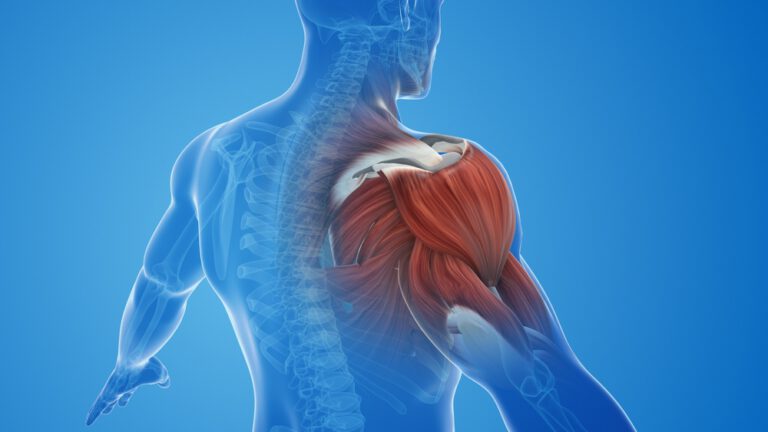
A muscle strain occurs when the muscle / tendon unit is overstretched or cannot tolerate the force output, and the muscle fibers get over-stretched or torn. Muscle strains are graded on a three point scale: Grade 1 (mild) – minor stretching or tearing of muscle fibers. Typically pain is mild and there is no swelling…

If you are a skier or snowboarder, this is your season. Every year around Thanksgiving the stoke kicks in and you probably tell yourself, ‘I need to get in shape for ski/snowboard season.’ Ideally, you would start a sport-specific training program about 6-8 weeks prior to hitting the mountain. However, assuming you have a good…
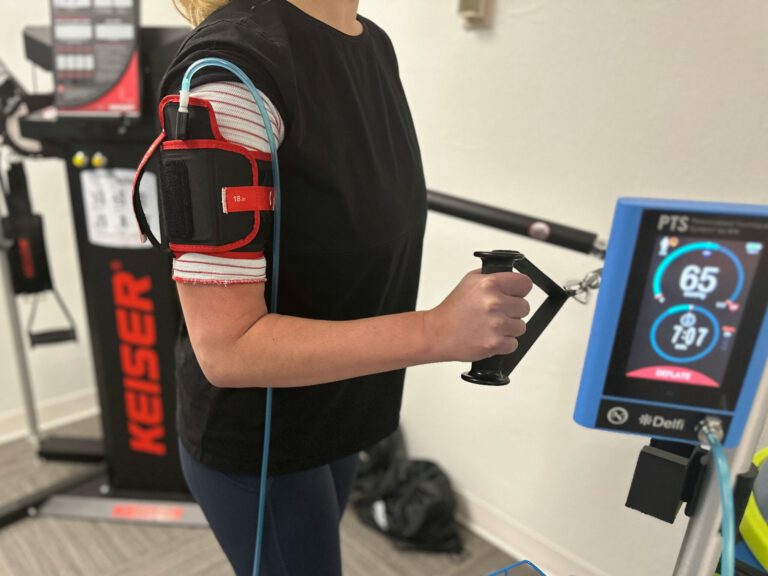
Blood Flow Restriction (BFR) is a technique that uses a medical grade tourniquet around the upper arm or upper leg to restrict blood flow while exercising. I know, this sounds highly unusual! Research has shown that by restricting the blood flow in and blocking the blood flow out of the limb, there is a significant…

How do you view the process of aging? And why is this important to think about? A 2014 study looked at the effects of implicit age-related stereotypes on physical function in 100 adults aged 61-99. Implicit positive stereotypes included descriptive words such as “spry,” that were judged to be typically related to increasing age. Those…
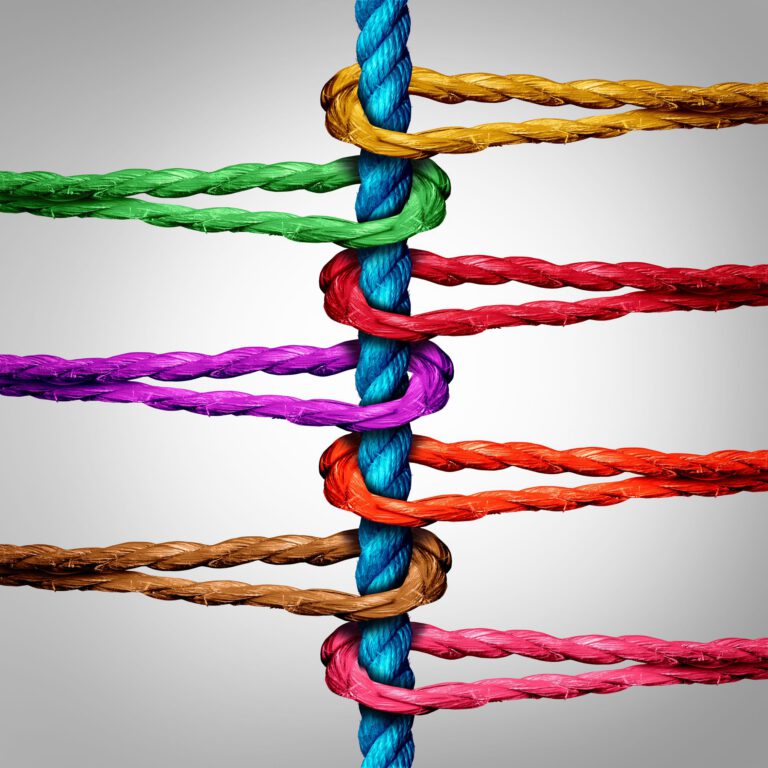
Our spinal column serves to protect our nervous system and is an attachment site for the muscles, ligaments, nerves, guts and fascia, it stores kinetic energy and it helps transfer the loads of the body into our base of support. To function effectively, the spinal column needs to be both stiff and flexible at the same time. This dynamic dance of stiffness and flexibility is orchestrated by the brain’s incredible ability to control a symphony of muscles around the spine.
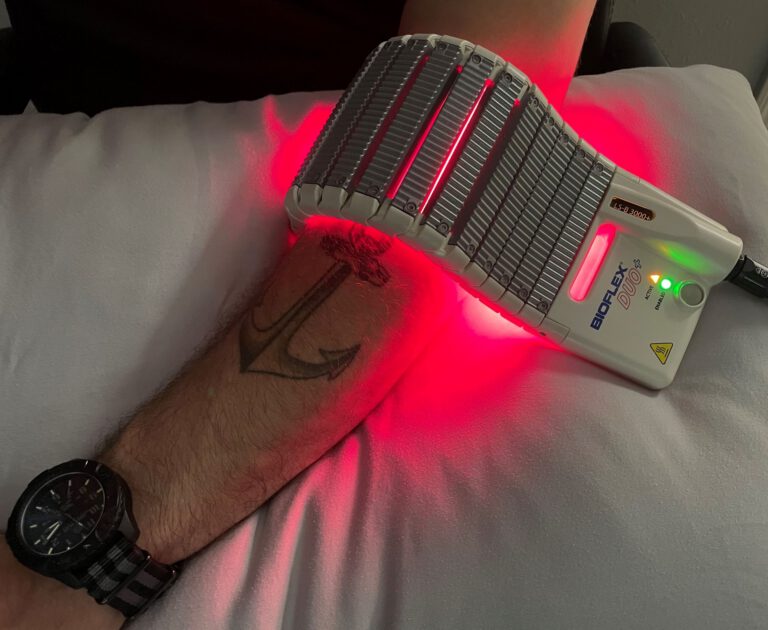
A tendinopathy is a term to describe pain, swelling, and functional impairment to a tendon. Photobiomodulation (also knowns as cold laser therapy) has been shown to treat the symptoms in both tendinitis and tendinosis, as well as performing as a reliable adjunct in the rehabilitative process. The intention of this article is to shed some light on how photobiomodulation can help heal the damaged tissue. Additionally, clarity will be introduced on how tendinitis differs from tendinosis.
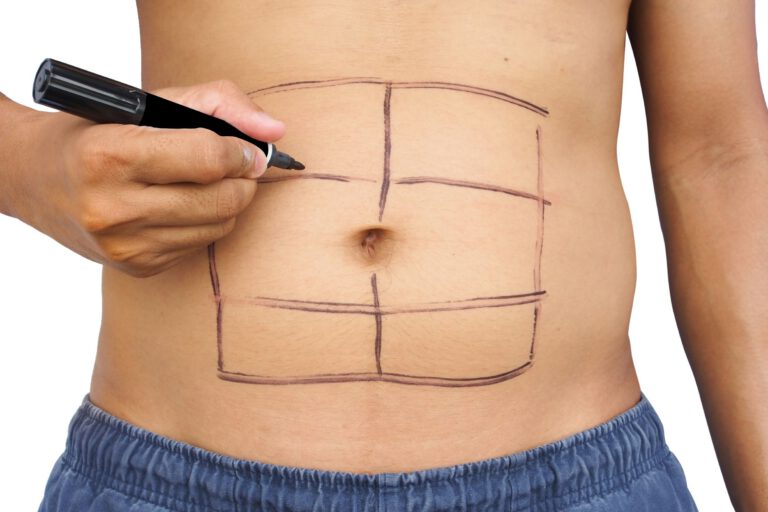
The term “core strength” often invokes the image of ripped six pack abs and trimmed obliques. Spinal stabilization is another term that is commonly associated with core function. Although the abdominals and obliques serve important roles in generating efficient movement of our bodies, in isolation they do not serve as effective stabilizers of the spine. The intention of this article is to give the reader a functional context of how our core functions and how postural strategies impact core function.