Postpartum Care – Things You Should Have Been Told
To all the moms who felt like they weren’t prepared or understood all the changes that could possibly happen to your body as a result of pregnancy, childbirth, or c-sections. For those expecting or individuals who may get pregnant down the road, here are some things you should know.
Pregnancy and childbirth is a beautiful thing but it can also be a scary process full of unknowns. Bodies change in ways people have never before experienced. Sometimes, it’s hard to control our bladder and we leak. Other times, it can feel like you’re rushing to the bathroom every 30 minutes. You can experience back, hip, pubic bone, or rib pain during pregnancy. The fatigue and brain fog (also known as “pregnancy brain”) can make it beyond difficult to focus or feel productive during the day. The things experienced during pregnancy are more likely to be talked about amongst friends or at the OBGYN, but what about the symptoms that are experienced after it’s all done? What happens to your body after pregnancy, after childbirth, or after a c-section? The body has just accommodated in a huge way to make space, protect, and house a baby. Oftentimes, the body doesn’t know how to restore function after undergoing these significant changes on its own. So many of my patients say to me, “why didn’t anyone tell me this? I had no idea this could happen after pregnancy. Why didn’t I know?”. Moms, it’s not your job to know. And here are some things you should have been told…
Prolapse is when one of the pelvic organs (bladder, uterus, rectum, or small intestines) descends towards or through the vaginal opening. Pregnancy and vaginal delivery can contribute to and increase risk of prolapse. Lifestyle factors such as straining during bowel movements will also play a large role in increased risk of prolapse. A pelvic health physical therapist can help you work on managing pressure systems in the body. Pressure systems like intra-abdominal pressure are important to manage when you’re lifting your kids, having bowel movements, sneezing, coughing, or jumping on a trampoline. By focusing on efficient posture, efficient breathing mechanics including rib cage mobility, and deep core stability (diaphragm, transverse abdominis, pelvic floor, multifidus), you can decrease the amount of force being put on your pelvic organs so they’re not descending towards or past the vaginal opening.
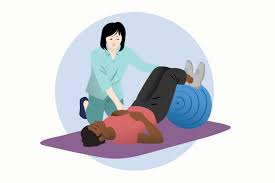 Even if the urinary leakage is gone, mild tearing occurred, or the c-section scar looks great on the outside, it’s still so important to check in with a pelvic health physical therapist postpartum. There are so many incredible changes that occur during pregnancy and the stress of delivery or having a c-section can take its toll on the body months or even years later. The body just experienced this enormous task of birthing or having surgery to deliver a baby. There is a gap from pregnancy and delivery / c-section to the postpartum stage in the care that is being provided to new moms. The focus changes to caring for a newborn, and new moms don’t have time or energy to be aware of their own bodies. Continuing to seek out care postpartum can help mitigate unwanted dysfunctions down the road like hip or low back pain, GI dysfunction, urinary or fecal leakage, poor core stability and diastasis recti, airway disorders, etc. Pelvic health physio can help moms on their journey to get their bodies back to an efficient and optimal level of function.
Reach out to us at one of our IPA Physio locations if you or a loved one are seeking or in need of care and support during and after pregnancy.
Even if the urinary leakage is gone, mild tearing occurred, or the c-section scar looks great on the outside, it’s still so important to check in with a pelvic health physical therapist postpartum. There are so many incredible changes that occur during pregnancy and the stress of delivery or having a c-section can take its toll on the body months or even years later. The body just experienced this enormous task of birthing or having surgery to deliver a baby. There is a gap from pregnancy and delivery / c-section to the postpartum stage in the care that is being provided to new moms. The focus changes to caring for a newborn, and new moms don’t have time or energy to be aware of their own bodies. Continuing to seek out care postpartum can help mitigate unwanted dysfunctions down the road like hip or low back pain, GI dysfunction, urinary or fecal leakage, poor core stability and diastasis recti, airway disorders, etc. Pelvic health physio can help moms on their journey to get their bodies back to an efficient and optimal level of function.
Reach out to us at one of our IPA Physio locations if you or a loved one are seeking or in need of care and support during and after pregnancy.
Abdominal and pelvic viscera (organs)
As Baby grows, the viscera gets pushed on and moved to create space and accommodate. Viscera can get restricted and lose their ability to glide and expand as they should. This can contribute to urinary leakage, feelings of acid reflux, and diastasis recti. Manual therapy can help restore mobility to these organs in your abdomen to improve your GI system as well as efficient core functioning.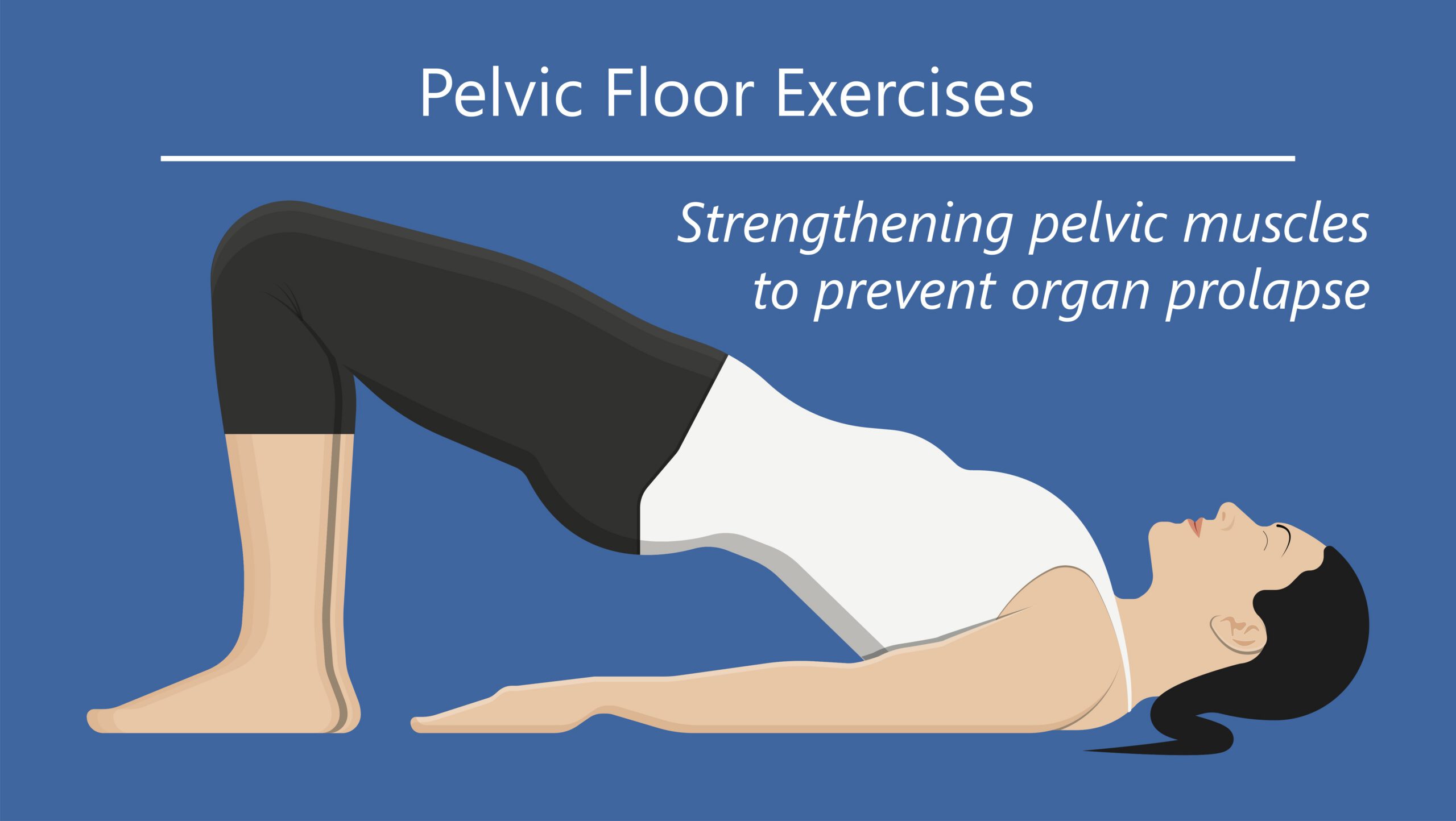 Prolapse
Prolapse is when one of the pelvic organs (bladder, uterus, rectum, or small intestines) descends towards or through the vaginal opening. Pregnancy and vaginal delivery can contribute to and increase risk of prolapse. Lifestyle factors such as straining during bowel movements will also play a large role in increased risk of prolapse. A pelvic health physical therapist can help you work on managing pressure systems in the body. Pressure systems like intra-abdominal pressure are important to manage when you’re lifting your kids, having bowel movements, sneezing, coughing, or jumping on a trampoline. By focusing on efficient posture, efficient breathing mechanics including rib cage mobility, and deep core stability (diaphragm, transverse abdominis, pelvic floor, multifidus), you can decrease the amount of force being put on your pelvic organs so they’re not descending towards or past the vaginal opening.
Vaginal delivery
Your pelvic floor muscles are challenged during pregnancy and even more so during delivery. Working with a pelvic health physical therapist prior to giving birth can help ensure your muscles and pelvis are ready to go for an easier delivery process. They can help provide you with stretches / positions to prepare your body. Performing self perineal massage during later stages (starting around 34 weeks) and during labor can help reduce tearing.C-section
We can only see what’s on the outside of our scars but we have no idea what’s happening underneath our scars. Oftentimes, c-section scars can be numb and scar tissue can contribute to pain. This tissue can adhere and limit mobility to surrounding structures including organs. Scar tissue can also play a role in hip, pelvic, and low back pain. There are multiple layers of tissue that are cut during c-section including abdominal muscles. Given this, core rehab and scar tissue mobilization postpartum will be important to improve the mobility of scar tissue and ensure your core is working efficiently to prevent pelvic or back pain, leakage, or diastasis recti.Postpartum care
Even if the urinary leakage is gone, mild tearing occurred, or the c-section scar looks great on the outside, it’s still so important to check in with a pelvic health physical therapist postpartum. There are so many incredible changes that occur during pregnancy and the stress of delivery or having a c-section can take its toll on the body months or even years later. The body just experienced this enormous task of birthing or having surgery to deliver a baby. There is a gap from pregnancy and delivery / c-section to the postpartum stage in the care that is being provided to new moms. The focus changes to caring for a newborn, and new moms don’t have time or energy to be aware of their own bodies. Continuing to seek out care postpartum can help mitigate unwanted dysfunctions down the road like hip or low back pain, GI dysfunction, urinary or fecal leakage, poor core stability and diastasis recti, airway disorders, etc. Pelvic health physio can help moms on their journey to get their bodies back to an efficient and optimal level of function.
Reach out to us at one of our IPA Physio locations if you or a loved one are seeking or in need of care and support during and after pregnancy.